

Hi there health knowledge seeker – welcome to this article on……
Oximeters – Measuring Oxygen in the blood
A pulse oximeter is a device that can measure the quantity of oxygen that is present in the blood. The device can be placed on your fingers, toes, forehead, ears or foot. Where the device is placed depends on the type of oximeter that is used. Oxygen levels can be checked in this way without the need to use a needle. 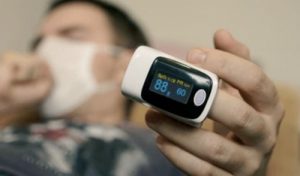 Blood oxygen levels, which are referred to as the blood oxygen saturation levels, can be abbreviated to O2 or SpO2. Oxygen saturation levels are a percentage of how much oxygen is present within your blood compared to the
maximum oxygen capacity.
Why is it important to check your blood
oxygen saturation?
When the oxygen concentration in the blood is low, cells within the body have increased difficulty working normally.
Having a good blood oxygen level is essential for your metabolism and other body mechanisms to function effectively. Therefore, having low oxygen levels in the blood can put strain on your organs, such as your brain and heart.
The American Thoracic Society notes that typical healthy oxygen saturation levels should be more than 89%. Having low oxygen saturation (below 89%) for a short period is not believed to cause harm.
Although, prolonged low oxygen levels can cause strain on your cells. Therefore, it is useful to monitor your blood oxygen saturation, especially if you have an underlying health condition which can impact it.
Some conditions which can affect blood oxygen saturation levels include:
- Chronic obstructive pulmonary disease (COPD)
- Asthma
- Pneumonia
- Lung cancer
- Anemia
- Heart attack or failure
- Congenital heart disease
Doctors may use a pulse oximeter to monitor the following:
- How well a lung medication is working.
- Evaluate if you need assistance breathing.
- Evaluate if a ventilator may be helpful.
- Monitor your oxygen levels after or during surgery.
- Evaluate if you require supplemental oxygen therapy.
- Determine the effectiveness of supplemental oxygen therapy.
- Evaluate how well you tolerate increased physical activity.
Pulse oximeters – how do they work?
Oximeters can come in a couple of ways, including as a small unit with an integrated finger/toe clip, or as a handheld device with a wire probe attached. The small unit option is less expensive and a more convenient home use option.
Small light beams from the device transport through the blood in your finger (when using a fingertip pulse oximeter) to measure oxygen levels. These light beams will not be felt by you when you use the oximeter. These beams are read by the meter which then calculates the blood oxygen percentage. In addition, the oximeter takes a reading of your heart rate (or, pulse).
One way to ensure the reliability of the reading is to take your own pulse prior to using the oximeter. Then, compare the pulse reading given by the oximeter to the one you took yourself. If they are the same (or similar), then it is likely that you have an accurate reading.
A guide to using a pulse oximeter
New to taking your own oximeter readings? Don’t worry, this brief step by step will help you get started.
Remember to always follow the manufacturer’s guidelines for your specific model of oximeter.
- The following steps will help you take your readings (assuming that you are using a fingertip oximeter):
- Remove any jewellery and ensure you don’t have any nail polish on the finger you are placing the device on.
- Ensure that you hand is warm, relaxed, and is resting below heart level.
- Place the device on your selected finger.
- Make sure the device is placed on the finger for the length of time required to
monitor your oxygen saturation and pulse. - Remove the device once the test is completed.
When to take oximeter readings
If you are asked by your doctor to use an oximeter, you should follow their guidance on when to take your readings.
However, there are some occasions when taking reading may be useful, including:
- When taking oxygen for the first time. This can help your doctor monitor how your blood oxygen levels fluctuate throughout your daily life.
- During or following exercising. Your cells have an increased oxygen demand when exercising which you wouldn’t otherwise have during risk. Taking these readings will enable your doctor to observe how your blood oxygen levels differ during activity.
Oximeter accuracy
Pulse oximeters are usually very accurate however, some factors can impact the reliability of your readings.
These are important to consider when taking and understanding your readings.
The following factors can impact the accuracy of readings:
- Cold hands
- Moving when taking readings
- Nail polish
- Artificial nails
- Having very low oxygen saturation (less than 80%)
- It is recommended that you always discuss your oximeter readings with your doctor so that they can make sure they make sense.
What is the best pulse oximeter?
The best oximeter for you depends on your own individual circumstances and needs. A finger oxygen sensor is considered the easiest and most convenient type of oximeter to use. The Omron fingertip pulse oximeter is a good example of this and can be easily acquired through amazon.
Now that you understand the importance of taking your blood oxygen saturation readings and how to do it yourself, you’ll be able to monitor your health. Always consult your doctor with your readings.