

Hi there health knowledge seeker – welcome to this article on……
Blood Pressure Monitoring
Blood pressure monitoring is a routinely utilized part of vital sign analysis and can provide clinicians with a good indication of your heart health. It’s one of the key steps that you can take to look after your health.
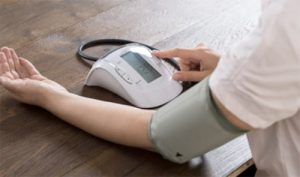 What is blood pressure?
Each time your heart beats, it pumps blood into your arteries. Blood pressure (bp) describes the pressure in your arteries caused by the force of your blood pushing against the walls of your arteries.
Blood pressure is written with the systolic blood pressure first, followed by the diastolic blood pressure (for example 120/80). Both are measured in units called millimetres of mercury (mmHg).
Systole refers to the contraction of the bottom chambers of the heart called the ventricles. Systole is when new blood is entering the arteries and the artery walls stretch to accommodate the increase of pressure of the extra blood. Systolic blood pressure measures the amount of pressure that blood exerts against your artery walls when the heart pumps out blood during each beat. The optimal systolic blood pressure is 120 mmHg.
Diastole is when the ventricles expand and receive another supply of blood from the top chambers of the heart called the atria. During diastole, the artery walls return to normal because of their elastic properties. Diastolic blood pressure measures the pressure in the arteries as the heart rests between heartbeats and it refills with blood. The optimal diastolic blood pressure is 80 mmHg.
Factors affecting Blood Pressure
Many factors can affect blood pressure, such as hormones, stress, exercise, eating, sitting, and standing. emotional state, physical activity, and health status.
Why is it so important? High blood pressure, which is also called hypertension, can increase the occurrence of serious cardiac events such as heart attack and stroke. The only way to check for low or high blood pressure is to use a blood pressure machine. These monitors can be used by you at home or by your doctor or a health care professional.
What causes high blood pressure (hypertension)?
The arterial wall is a highly organized structure composed of proteins (including collagen fibers), and cells including Elastin that give blood vessels the ability to stretch.
The elastic properties of arteries are affected by aging and cardiovascular disease. Hypertension, in most cases, develops as a result of the reduced elasticity of the arterial system commonly seen among the elderly.
High blood pressure risks
When your blood pressure is too high, it can cause strain on your heart and blood vessels. Persistent high blood pressure (chronic hypertension) can increase your risk of life-threatening occurrences, such as:
- Heart attacks
- Heart disease
- Heart failure
- Strokes
- Arterial disease
- Kidney disease
- Vascular dementia
It is therefore important to monitor your blood pressure to troubleshoot against these occurring.
Blood pressure monitors: how do they work?
Now that you know what blood pressure is and the risks associated with elevated levels, it is important to understand how a blood pressure monitor works. However, before taking your blood pressure monitor readings, it is essential to remember that recordings for blood pressure are taken as two numbers – systolic (highest number) and diastolic (lowest number).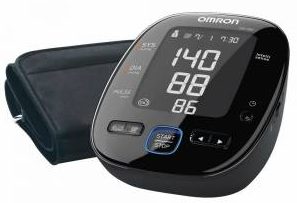
In order to measure blood pressure, an inflatable cuff (blood pressure cuff), is wrapped around the upper arm (or wrist) and is aligned approximately level with the heart. The cuff inflates until it places pressure around the arm, ultimately cutting off the blood flow in the artery. The pressure is gradually released to deflate the cuff slowly. Once the cuff has reached the right pressure, blood will start to flow through the artery again. The arterial wall vibrations caused by the blood flow is detected by the blood pressure machine’s sensor and converted into a digital reading for your systolic blood pressure. Following this, the cuff will continue to deflate and in doing so, reaches your diastolic pressure which is when the vibrations stop. The machine detects this and records the pressure once again.
What is considered high blood pressure?
Now that you have your readings, it is time to understand what they mean. Blood pressure readings can fall into five categories. However, it is important to note that these are a rough guide, always consult your doctor for further guidance. The categories are as follows (systolic/diastolic):
- Normal Less than 120 / and less than 80
- Elevated 120-129 / and less than 80
- High Stage 1 130-139 / or 80-89
- High Stage 2 140 or higher / or 90 or higher
- Hypertensive crisis 180 or higher and / or 120 or higher
Source: American Heart Association
How to use a Blood Pressure Machine for accurate readings
In order to obtain accurate readings, it may take a little practice and preparation initially. The key aspects to remember are:
Relax – avoid caffeinated beverages and strenuous exercise for thirty minutes prior. Directly before taking your blood pressure, sit down comfortably with feet flat on the floor.
Arm position – rest your arm flat on a surface making sure that your upper arm is in level with your heart.
Cuff position – when taking readings from your upper arm, ensure the bottom edge of the cuff is just above the elbow. Follow the specific instructions in the manual for your device.
Take multiple readings – take multiple readings at least one minute apart. This will ensure the reliability of the readings.
Types of blood pressure machines
Blood pressure can be taken in several ways, depending on what is most ideal for you. Manual blood pressure machines require manual inflation, a stethoscope and training. It is more difficult using these types of machines and doing it by yourself. Home blood pressure machines are usually digital and so don’t have to be manually inflated, this makes taking your blood pressure at home much easier. This type of blood pressure checker also ensures home blood pressure accuracy. Omron blood pressure monitors have three different cuff types: arm, wrist and wearable. The arm cuff monitoring method is largely considered the best method of measuring blood pressure.
Another type of blood pressure tracking is using an ambulatory monitoring method. Ambulatory monitors are usually wireless and so are wearable throughout the 24-hours. This method measures blood pressure over a 24-hour period and can be a useful aid in managing hypertension. Ambulatory blood pressure monitoring results in multiple readings through the period and can show a distribution pattern within the time.
Now that you know the importance of blood pressure monitors and how to do it yourself, you’re already taking key steps towards looking after your health. The type of blood pressure monitoring that you do will largely depend on your own individual circumstances and needs. It is always best to have your doctor check that you are using it correctly and delivering the same results as the equipment they use.